Concerns about internet hoaxes, scams, and pranks continue to grow, especially where kids are concerned. You may have heard about the “Momo” Challenge or the “Sleepy Chicken” Challenge; or of kids being scammed into giving out financial information on Roblox and other games. As the internet has become a place where kids spend a significant amount of time, they have become a major target for people causing harm. Parents need to be aware of these risks and take steps to protect children from the confusion, fear, and tangible risks that can result.
Internet hoaxes explained
Unlike traditional misinformation or fake news, hoaxes often rely on shock value, fear, or peer pressure. Some appear as weird stories, some as challenges, and others as messages urging kids to keep secrets or take actions they don’t fully understand.
An infamous example of an internet hoax is the “Momo Challenge” from 2019. It included a frightening image paired with claims that children were being manipulated into harmful behaviors. While investigations found no evidence that the challenge caused actual harm, the panic surrounding it shows us that children don’t need a real threat to feel unsafe. The perception of threat alone can be distressing – and can cause these things to spread.
The good news is that protecting kids from online hoaxes doesn’t require parents to be tech experts or to constantly monitor every click. Like most other things online, it comes down to clear rules, ongoing communication, and practical digital safety habits that children can use when something doesn’t feel right.
Why hoaxes and pranks can be especially harmful for kids
As children are still developing the ability to assess risk, evaluate credibility, and manage strong emotions, online hoaxes can exploit these vulnerabilities by:
- Using scary or urgent language like “Do this now” or “Don’t tell your parents”.
- Appearing in spaces kids trust like games, videos, or messaging apps.
- Spreading quickly through peers which makes them seem more real or important.
Research shows that children express confidence in their ability to detect false information online, but the reality is that they are highly prone to believing and sharing false or misleading online content. This is especially true when the content triggers strong emotions or comes from peers.
That’s why prevention needs to focus less on debunking every new hoax and more on teaching kids what to do when they encounter something confusing or uncomfortable online.

6 practical ways parents can protect kids from online hoaxes
1. Teach them never to share personal information online
One of the most important things kids need to understand is what counts as personal information and why it needs to stay private.
Make sure your child knows they should never share these kinds of information online or via messaging apps:
- Their full name
- Home address
- School name
- Phone number
- Passwords
- Photos that show identifying details
- Location information
- Financial information
Explain that even if someone seems friendly, funny, or familiar, personal information should only be shared with trusted people they know in real life, and never with strangers online. Reinforce that no legitimate game, challenge, or video will ever require personal or financial information to participate.
Revisit this conversation regularly as kids grow and begin using new platforms – even teens need reminders about this as they navigate new spaces online. Encourage them to come to you if they think there is a valid reason for them to share information like this, so you can help them decide what to do.
2. Make “tell an adult” a non-negotiable rule
One of the most powerful protective factors for children online is knowing they can (and should) tell a trusted adult if something doesn’t feel right.
Teach your child to come to you if:
- They see something scary or upsetting
- Someone asks them to keep a secret online
- They’re encouraged to do something risky or to share personal information
- They feel pressured, confused, or uncomfortable in any way
Tell them explicitly that they will not get in trouble for telling you. Many hoaxes rely on secrecy or fear of punishment to keep kids silent. When children trust that adults will respond calmly and supportively, they’re far more likely to speak up early.
3. Keep an eye on what your child is doing online
Parental awareness absolutely matters when it comes to what kids are doing online. This awareness doesn’t have to feel invasive, but it does show interest, involvement, and a responsibility to keep kids safe.
Practical steps include:
- Knowing which apps, games, and platforms your child uses
- Understanding who they interact with online
- Being aware of trends or challenges circulating among kids their age
- Periodically checking privacy and safety settings together
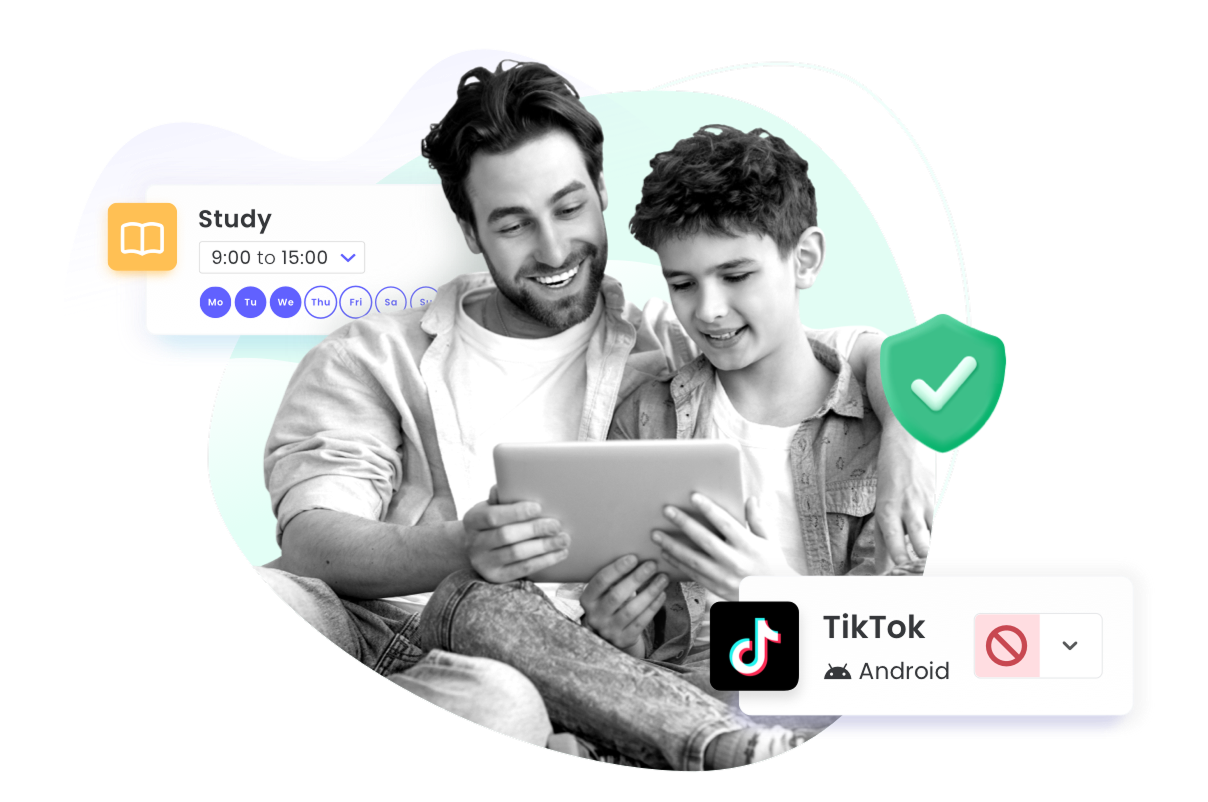
An all-in-one parental control solution, such as Qustodio, allows parents to keep an eye on their child’s online activity, receive alerts when their child sends or receives a concerning message, set daily time limits for, or block, specific apps, and more.
4. Use parental controls as a safety net, not a substitute
Parental controls are most effective when they’re used as part of a broader safety plan. They should be used to do things like:
- Limit access to age-inappropriate content
- Restrict communication with unknown contacts
- Manage time spent on high-risk platforms
- Receive alerts about concerning activity
You also need to explain to your children why parental controls are required on their devices. Framing them as protection, not punishment, helps kids understand that boundaries are about safety and not mistrust.
5. Teach kids to pause before clicking, sharing, or participating
Many hoaxes and pranks rely on urgency: “Do this now,” “Share this before it disappears,” “Don’t tell anyone.” Teach kids a simple rule: Pause before you click, share, or act.
Encourage them to ask:
- Does this sound too extreme or scary?
- Is someone telling me to keep a secret?
- Would I feel okay telling my parent about this?
Children and teens are naturally impulsive, so even a brief pause can prevent them from getting pulled into something harmful.
6. Stay calm
When parents react with panic or alarm, children may become frightened or stop sharing what they see online. If your child mentions a hoax, scary story, or requests from strangers:
- Thank them for telling you
- Ask questions calmly
- Check reliable sources together
- Reassure them that they are safe and you will help them figure it out
Using events like hoaxes or online pranks as teaching moments builds kids’ confidence and resilience online and helps keep them safe.
Online hoaxes: final thoughts
The internet will continue to evolve, and so will the hoaxes, pranks, and viral tricks that circulate within it. Regardless of what potentially harmful thing emerges next, the core strategies for protecting our kids remain the same: clear rules, open communication, parental awareness/monitoring, and supportive boundaries.
When children know how to protect their personal information, feel safe telling adults when something goes wrong, and see their parents as partners in their digital lives, they are much better equipped to navigate the online world safely.