

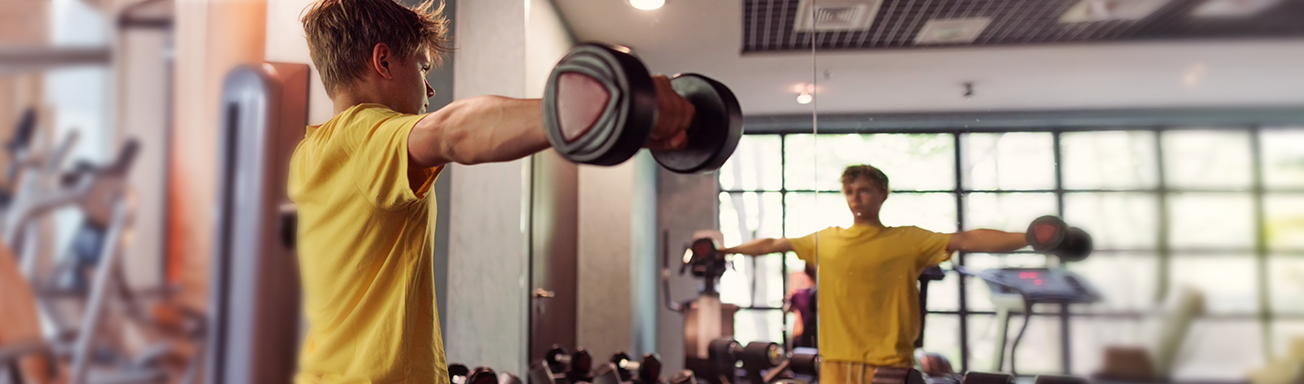
If you’ve heard your teenage son talk about “mogging”, “mewing”, and “canthal tilts”, you’d be forgiven for thinking they are studying for a foreign language exam. But no, they’re talking about looksmaxxing – a trend, practiced almost exclusively among young boys, that focuses on “maximizing” one’s appearance.
While some aspects of looksmaxxing are harmless, funny, and even rooted in good health advice, there is also a more serious – and sometimes dangerous – side that parents should know about.
What is looksmaxxing?
Looksmaxxing (sometimes spelt looksmaxing) is an online trend that focuses on improving looks through grooming, fitness, and style – along with other, riskier methods that we’ll get to later. Looksmaxxing is rooted in the belief that the more attractive a man is, based on measurable physical standards, the more successful they’ll be socially, in dating, in their career – basically everywhere in life.
Online looksmaxxing communities believe that attractiveness is objective and can be measured based on traits such as jawline shape, facial symmetry and proportions, skin quality, height, body composition, eye shape, and hair thickness.
The trend was born out of the incel/manosphere forums in the 2010s, then spread into mainstream Gen Z social media culture in the early 2020s – especially on TikTok, Reddit, YouTube, and Discord. These days, most people use “looksmaxxing” as a general term for grooming, fitness, skincare, and glow-ups, as well as in memes and parody short videos.
Although the term has been diluted, it is still somewhat linked to the manosphere and incel/black pill culture – toxic and misogynistic online subcultures centered around the belief that men can be permanently excluded from romantic and social success due to genetics or appearance.
Looksmaxxing can also lead young men down a real path of mental health issues, body dysmorphia, and reckless bodily modifications.
Looksmaxxing: parents’ glossary
Looksmaxxing comes with its own lexicon. You might have heard your teenage son expand his online vocab with these terms:
- Softmaxxing – The safe, standard ways to improve appearance. This includes things like getting a good haircut, taking care of your skin, working out (gymmaxxing), eating healthy, drinking enough water, and dressing better.
- Hardmaxxing – The more extreme methods of achieving a certain look. This can involve surgery, hair transplants, and the use of steroids, weight-loss injections, or unregulated supplements.
- Mewing – A viral technique to, allegedly, permanently improve the appearance of the jawline by resting the tongue against the roof of the mouth. There’s no strong scientific evidence that it works.
- Canthal tilt – The angle between the inner and outer corners of the eyes, often obsessed over in looksmaxxing communities. A positive canthal tilt, sometimes called “hunter’s eyes”, is where the outer corner of the eye sits slightly higher than the inner corner. It’s believed by looksmaxxers to be more attractive and display more confidence than a neutral or negative canthal tilt.
- Chad – A man blessed with looks and confidence, who is abundantly successful socially and in dating. Mostly used ironically in memes and TikTok culture, but used more seriously in manosphere/incel spaces.
- Ascension – Transforming into a more attractive, successful, or higher-status version of yourself; e.g., “Bro ascended after the haircut.”
- Mogging – Outclassing someone else in appearance, confidence, status, or presence, to the point where the other person looks inferior in comparison; e.g., “Chad is like 6’5. He totally mogged me in front of my girl.” You can also be specific with derivatives like “height mog” and “face mog.”
- PSL scale – Someone’s perceived attractiveness ranking, essentially where they supposedly sit in the dating marketplace; e.g., “He’s PSL 8,” “He’s low PSL.”
- Sub5 – Someone considered below a 5/10 attractiveness rating. Used in a harsh, fatalistic way, e.g., “He’s sub5. It’s over for bro.”
Is looksmaxxing a joke, or is it something to worry about?
Most of the time you come across a looksmaxxing-related post on social media, it’s ironic. An example of a looksmaxxing meme might be about someone spending hours optimizing their appearance with seemingly endless routines… only to stay home.
Another common meme premise is when someone takes an ordinary aspect of self-care, and frames it as a breakthrough discovery that one must do to “ascend”. These everyday activities often get branded with the “-maxxing” suffix, e.g., “sleepmaxxing”, getting adequate sleep, “lemon water-maxxing”, drinking lemon water in the morning, “posturemaxxing” – you probably get the idea by now.
Other trends ride the line between being a joke and being serious, depending on who’s reading it. For example, “carrotmaxxing” involves eating large quantities of carrots (sometimes up to a bag or multiple cans a day) to achieve a “natural,” sun-kissed tan without sun exposure. While consuming massive amounts of beta-carotene can indeed affect skin color, it’s greatly exaggerated online for humor. As your height is genetically determined, “heightmaxxing” content is mostly ironic and centered around wearing lifts, or standing next to someone shorter. Yet, there is a serious side where looksmaxxers and blackpillers treat height as extremely important for attractiveness and status – sometimes leading young men to seek risky limb-lengthening surgery.
The dangers of looksmaxxing
Jokes and memes aside, looksmaxxing is linked with online communities that promote harmful ideology, and can lead people – especially teenage boys – down some dark and dangerous paths in efforts to “ascend”.
Social comparison and impacts on self-esteem
Looksmaxxing communities regularly rate people numerically (“sub5,” “PSL 8”), and comment sections are direct and harsh when talking about someone’s appearance. Teens in these communities are encouraged to constantly compare their appearance to influencers, peers, and online “ideal” beauty standards.
It’s not just strangers in a forum that can judge your looks; some apps can do it too. Omoggle is a “live mogging battle” platform that pairs you up with another user in a 1v1 video chat. AI then rates your appearances on the PSL scale and calls the winner.
The teenage years are tricky enough when it comes to body image, and looksmaxxing amplifies the erroneous belief that appearance equals value and worthiness.
Body dysmorphia
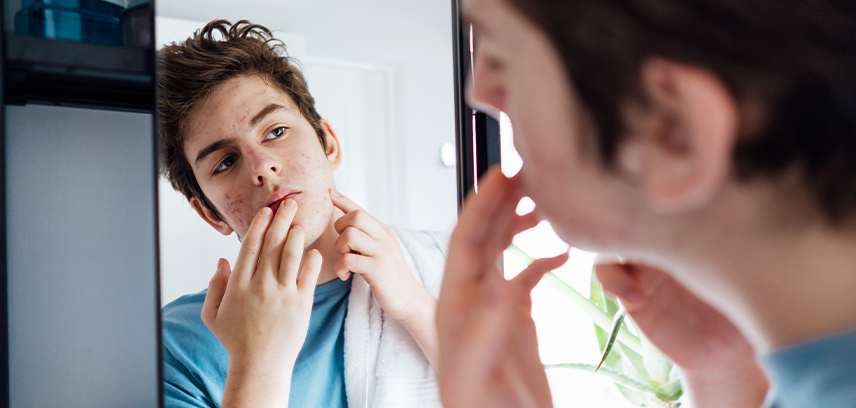
Just a few minutes of viewing looksmaxxing content will have anyone analyzing their jawline, hairline, and waistline. For already body-conscious teens, this level of self-scrutiny and fixation on perceived flaws can easily worsen body-image anxiety.
Risky “image-correction”
The pressure to ascend or max out their PSL can lead teens towards “hardmaxxing” – much more dangerous methods of self-improvement than, say, getting a good haircut and drinking enough water. These can include bonesmashing, extreme dieting, and using steroids, peptides, and weight-loss injections.
Some young looksmaxxers even resort to cosmetic surgery, from Botox and hair transplants, to leg-lengthening. Having surgical procedures at such a young age not only exposes teens to unnecessary medical risks, but it also reinforces the idea that normal features or insecurities need to be “fixed”.
Extremist communities and echo chambers
Looksmaxxing was born out of the manosphere, and much of the content overlaps. A teen looking up skincare tips can quickly be funneled into toxic communities – such as incels and blackpillers – where harmful beliefs about gender, attractiveness, status, and self-worth are shared and promoted. It’s easy for a teen to find themselves in an echo chamber – where algorithms continue to serve them up more and more of one kind of fatalistic messaging, with little of anything else.
Pseudoscience and misinformation
Looksmaxxing communities often present advice as scientific fact, even when claims are exaggerated, misleading, or downright wrong. Teens are still developing their critical-thinking skills, and so they’re more likely to believe bold claims, and potentially put themselves at risk.
Financial exploitation
Looksmaxxing influencers prey on insecurity to make a quick buck. This could be from paid programs and coaching, or from selling supplements and enhancement products. Some creators offer appearance-rating services, such as facial analysis, and “PSL ratings,” plus one-on-one looksmaxxing advice.
Who is Clavicular?
Clavicular, born Braden Eric Peters, is probably the most famous “looksmaxxing influencer”, and is active on Kick and TikTok. He often blurs the line between satire and sincerity; much of his content uses irony, absurdist humor, meme language, and exaggerated internet slang – but he also appears to genuinely believe in parts of looksmaxxing ideology and even promotes dangerous practices. He’s an advocate for “bonesmashing”, a pseudoscientific practice involving hitting one’s own cheekbones with a hammer or one’s fist to have them grow back stronger, and openly claims to take steroids and crystal meth to maintain a slim, athletic physique – despite being barely out of his teens.
It’s obvious Clavicular knows that shock content plays into the algorithm and gets rewarded on social media, but it doesn’t change the fact that many of his followers are boys and young men who might take everything on face value or attempt to imitate the dangerous behaviors he advocates for. Some might even be tempted to pay $50 per month to access Clavicular’s self-improvement course, complete with bonesmashing tutorials and advice on peptides.
How to navigate looksmaxxing with your teen
Most teenage boys will have been exposed to looksmaxxing content to varying degrees. Here are a few tips to make sure it doesn’t get out of hand.
1. Have open conversations
If you’ve caught your teen mewing, or using a ruler to determine their canthal tilt, ask them about it neutrally – and don’t mock. It might seem silly to us, but they may be taking looksmaxxing very seriously. Remind them that social media often uses lighting, filters, and angles to make people look much better than they do in real life; that attractiveness cannot be measured on a completely objective scale; and that a person’s value can’t be defined by having a perfect jawline.
If you suspect your child may have body image issues, child psychologist Nicole Beurkens has shared conversation starters, and advice on how parents can help promote a more positive body image.
2. Look for red flags
Looksmaxxing can lead to obsession and harmful behaviors, and impact a teen’s mental health. If you see your teen exhibiting any of these signs, it’s time to step in and consider speaking to a counsellor.
- obsessive mirror-checking or taking hundreds of selfies
- constantly comparing themselves to others
- harsh self-criticism about physical features
- talking about being “sub5,” “ugly,” or genetically doomed
- fixation on jawlines, facial symmetry, height, or millimeter-level differences
- restrictive dieting, skipping meals, or rapid weight loss
- excessive exercise or panic about missing workouts
- secretive supplement, steroid, or peptide use
- withdrawal from friends or social situations
- talking about “hardmaxxing,” surgery, or drastic procedures.
3. Encourage “softmaxxing”
Not all looksmaxxing advice is terrible. You could meet them halfway and support their self-improvement with some healthy “softmaxxing” habits. These can include regular exercise and strength training, healthy eating, getting enough sleep (or “sleepmaxxing” if you want to speak their language), skincare and sunscreen, grooming and hygiene, drinking enough water, dental hygiene, stress management, and building confidence and social skills.
Of course, make sure they fit in some “studymaxxing” to their routines too.
4. Watch out for the algorithmic rabbit hole
Teens may begin with harmless grooming or fitness content, but social media algorithms can quickly push them toward more extreme looksmaxxing content and communities, dangerous enhancement advice, and blackpill ideology.
Parents can help break the loop of echo chambers by explaining to teens how algorithms work, and encouraging them to seek other types of content and viewpoints.
To help them create healthier digital habits, you can:
- Set up “feed refresh” rules. For example, after 20 minutes of social media use, take a 5-minute break and look at a different topic to break the information loop.
- Encourage offline balance with more face-to-face interaction, real-life hobbies, and varied media (books, podcasts, magazines). This supports diversity of information, thoughts, and feelings.
- Teach teens to actively curate their own feed by unfollowing or muting accounts that only reinforce one narrow ideology, sensationalize problems, or promise simple solutions.
- Use parental control tools like Qustodio to keep an eye on their online activity, get alerts when they search for something concerning, or when a social media conversation requires your attention. You could also help protect your son against the extreme sides of looksmaxxing by blocking problematic apps like Omoggle and Kick.
Looksmaxxing: final thoughts
Looksmaxxing is an online trend popular among young boys, especially on TikTok, Reddit, and Discord. The majority of looksmaxxing content is pretty harmless stuff – memes and jokes mixed with general health and grooming advice. But it can be easy to slip into a social media rabbit hole and end up on the dark side of looksmaxxing.
Looksmaxxing is heavily linked to the manosphere – in particular, incel and blackpill communities – which is steeped in misogyny and other harmful ideologies. What’s more, looksmaxxing communities’ hyper-fixation on appearance, comparisons, and black-and-white views on attractiveness can take a heavy toll on an already self-conscious teen.
While we want to be curious and respectful about our kids’ online lives, looksmaxxing is one trend that we should keep an eye on. We should stay aware of the kind of content they repeatedly view online, and have conversations with them if we feel something’s not right.
Ultimately, we want to help our children discover that their value is determined by their character and actions – not how strangers on the internet rate their looks.

