

Your teen tells you they’ve woken up from a rested night of “sleepmaxxing”. Their friend’s on the phone, laughing about their older brother’s efforts to start “auramaxxing”. Your 10-year-old’s YouTube history is full of searches for “teamaxxing”, which as far as you can tell, is just drinking tea with different cups, strengths, and bits added in.
Maxxing is everywhere, everyone’s doing it – and if you’re feeling left behind, you’re not the only one. Teenage slang has always left parents one step behind. Now, with the internet, a word that started off in a niche forum can travel the world, flown first class by the TikTok algorithm and viral YouTube videos. “Maxxing” is one of those words – and while most of the culture behind maxxing is about having ironic, harmless fun, it has some darker influences and inspirations. Here’s what parents need to know.
What does maxxing mean?
“Maxxing”, sometimes spelled “maxing”, is a catch-all suffix applied to the end of a word (almost any word can be -maxxed), meaning to get the most out of something, or optimize an activity or quality to get the maximum benefit from it. For example, someone “sleepmaxxing” might use blinds or blackout curtains, wear a sleep mask, go to bed at the same time each night, and track their sleep habits to make sure they’re getting just the right amount of hours in the land of nod.
Fueled by social media and algorithms, where almost all aspects of life can somehow be tweaked and adjusted to be ideal and optimal, maxxing is a direct product of online “hustle” culture, where extreme productivity and success can be given a formula, measured, and turned into a direct display for others.
While most people use maxxing terms in an ironic way to point out how silly it can be to optimize every aspect of life, they can walk the line between seriousness and humor, and on social media can act as a gateway to unhealthy practices or extreme points of view.
Where did maxxing start out?
Like many popular trends, “maxing” comes from gaming culture. In gaming slang, “max”, short for “maximize”, meant to put all your resources behind one single tactic to get the biggest advantage. The double xx- origins of the spelling have a darker side to them.
“Maxxing” as we know it today grew through incel forums in the early 2010s, where online users obsessed with building and optimizing different aspects of their personality in order to become “more attractive” added it as a suffix to real-life traits. “Looksmaxxing” became the most popular example, with users across forums and discussions referencing it as a way to maximize physical appearance and make themselves therefore more attractive to others – resulting in more romantic success.
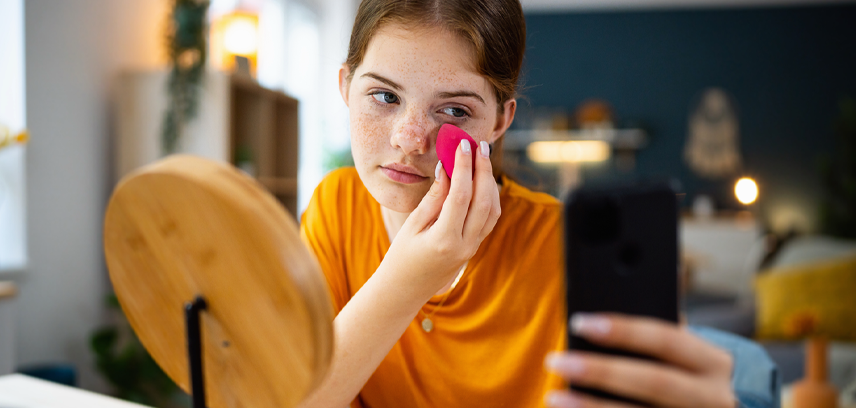
From there, the term went mainstream across the internet, reaching new audiences through YouTube, TikTok, and other social media platforms. People started adding “maxxing” as a joke suffix to everyday activities, and even the more murky origins of “looksmaxxing” became diluted, being used as a stand-in for simple skincare, makeup, and beauty routines.
Why is everyone maxxing now?
Teen slang has always borrowed from what’s popular: ads, music, pop culture and subcultures. Before the internet, though, most slang stayed local, occasionally crossing borders through movies and TV. Today, one shared internet means a shared online culture, where a word can travel whole countries and continents in days through forums, videos, and viral social media posts.
Maxxing has spread especially quickly, for a few reasons:
- It’s easy to use. Adam Aleksic, a linguist and author of “Algospeak”, a book exploring how social media transforms language, puts the success of “maxxing” down to two things: it works like a template that can be attached to almost any word, and it’s funny, which helps it spread easily as a meme.
- It’s naturally found a place in wellness and productivity culture. “Maxxing” easily lends itself to the idea that optimizing yourself can lead to personal success and a greater sense of wellbeing.
- It reflects a life where scores and rankings are important. For young people and teens, growing up on platforms where sharing every aspect of life, and gaining likes, shares, and follows, is normal, doing the same in real life doesn’t feel like that much of a stretch.
- It’s a shared joke. While maxxing might have grown out of darker origins, the more mainstream use is ironic. Having several cups of tea in the morning and calling it “teamaxxing” makes fun of the pressure for everything to be “peak” and optimized.
What are the different types of maxxing?
There are almost as many types of maxxing as there are words in the dictionary, because it’s so easy to apply it as a suffix to pretty much anything. New “maxxing” trends crop up all the time, and they mean different things depending on who’s watching. For one teen, it could be a joke, while for another, their particular use of “maxxing” could be a daily routine they take seriously. Here are some of the most common uses below, starting with the lighthearted, and heading into more serious territory:
The ironic, fun side of maxxing
A lot of maxxing is about small, everyday things being given an important-sounding name and ritual.
Whimsymaxxing: filling everyday life with small, playful, joyful things, like placing glittery stickers on everything you own.
Teamaxxing: increasing tea consumption or swapping out more sugary, “unhealthy” drinks for tea, to increase hydration and antioxidant intake, particularly from green tea or herbal blends.
Sleepmaxxing: pursuing optimal sleep through better sleep strategies – for example, making the room cooler, tracking bedtimes, eating kiwis before bed (for the melatonin kiwis have been shown to contain), and investing in blackout curtains.
Focusmaxxing: increasing productivity by optimizing your environment and habits, making it easier to focus. For example, training yourself to stop task-switching by staring at a wall, meditation, or blocking distracting apps (seems we’ve been helping teens focus-maxx for years!).
Naturemaxxing: boosting wellbeing by spending as much time outdoors as possible and bringing elements of nature into day-to-day living, for example through switching up your floorplan to make the most of indoor natural light, and getting more houseplants.
Frictionmaxxing: trying to rebuild tolerance for day-to-day inconveniences technology has taken away, such as by using real-world road signals over Google Maps, or writing study notes by hand instead of typing them out.
Auramaxxing: boosting your “aura”, aka your coolness factor, by becoming the best version of yourself. Having aura is about having presence and charisma – this generation’s je ne sais quoi. Maxxing said aura could come about through self-improvement, taking care of yourself, and building positive habits and mindsets.
While most of these uses of maxxing lean towards the ironic, the potential is there for views or practices to turn unhealthy over time – so understanding how your teen views these trends and topics is important.
Maxxing red flags: what to watch out for
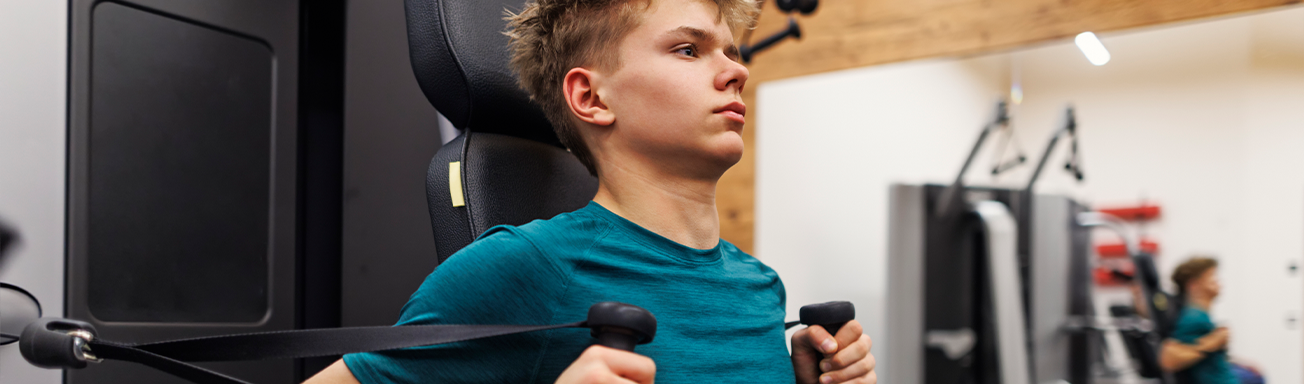
Some maxxing terms have the potential to be more harmful in nature, pointing scrollers and viewers towards content that takes self-improvement a little more seriously, and sometimes too far. These trends aren’t automatically a problem, but they can be a sign of what your teen is watching or seeing online, and how they feel about themselves. For example, while “proteinmaxxing” is really about getting more protein in your diet in order to be more healthy, it has the potential to be taken to the extreme and promote unhealthy habits if taken too seriously.
Other maxxing terms can be signs that a teen is being led down a path into a wider online community, maybe with more problematic aspects, such as the manosphere, or groups which promote extreme fitness and dieting philosophies.
For example, looksmaxxing – where the trend really began – is about maximizing your physical appearance to become more attractive to others. The idea rose in popularity through incel forums and the manosphere as a way of attracting partners or having an “optimal” physical appearance. These days, it’s often used in a more ironic sense, and everything from your daily skincare routine to eating healthily can be grouped in with the trend. Looksmaxxing has its own vocabulary, from softmaxxing to hardmaxxing, and heightmaxxing to gymmaxxing. Our looksmaxxing guide for parents explains them, and the trend, in more detail.
Other terms, like “jestermaxxing”, can also be a sign of something deeper under the surface. Jestermaxxing describes acting overly funny or making a fool of yourself in front of others in an attempt to be perceived as more likeable, usually towards girls. This term also has roots in incel culture, where people used it to make fun of men trying to make women laugh.
Is maxxing bad?
In general, maxxing isn’t something that parents should be too concerned about. For most teens, maxxing isn’t too serious, and is just a fun way to talk about a habit, a routine, or a hobby. Where maxxing does become a concern is when it stops being funny – such as a routine becoming an obsession, or when pursuing healthy habits tips into the extreme.
It can also be an indication of the kind of content they’re consuming, and what’s appearing on their feed. When maxxing trends turn into teens comparing themselves to others, rating their own looks, developing extreme viewpoints, or encouraging them to follow risky diets and practices, it’s a cause for concern.
Talking to teens about maxxing and social media algorithms
Part of helping teens navigate online influence and content is understanding the way their online world works, and the way they engage with it. Stay involved in your child’s online life by being curious, and let them know you’re always there to listen. Some ways to get the conversation started about social media include:
- Asking before judging or offering your opinion: “What kind of maxxing trends do you see on your feed?” opens up the question and lets your teen explore more, while “that’s so ridiculous” shuts it down.
- Finding the fun: laughing along when a trend is funny or silly, or showing you get the joke, helps you build trust – which is paramount for harder conversations that might come further down the line.
- Talking about the algorithm: explain that watching just one video about gym content, or skincare routines, can often lead to a whole feed full of more extreme versions of the same content. Help them find ways to discover content through a variety of ways and explore different interests online to keep teens out of algorithm-fueled rabbit holes.
- Understanding who gets the benefit: is the influencer sharing this content doing so out of knowledge, or because they have a motive? Many influencers have courses, supplements, or products that they want your teen to be interested in, or viewpoints they’re interested in pushing.
However, it’s important to bear in mind that not all children will feel comfortable, or want to share everything about their digital experiences – so if you notice changes in eating, mood, or ways they talk about their self-image, it could be a sign to step in or seek help.
Personalized algorithms and fast-moving online trends make it difficult for parents to stay on top of current slang, what’s going viral, and the content children are consuming. But by showing curiosity and regularly checking in, you’ll be more likely to be brought into the conversation – either when something’s troubling your child online, or just for the fun parts they want to share with you.

